Archive
Sarah Fdili Alaoui

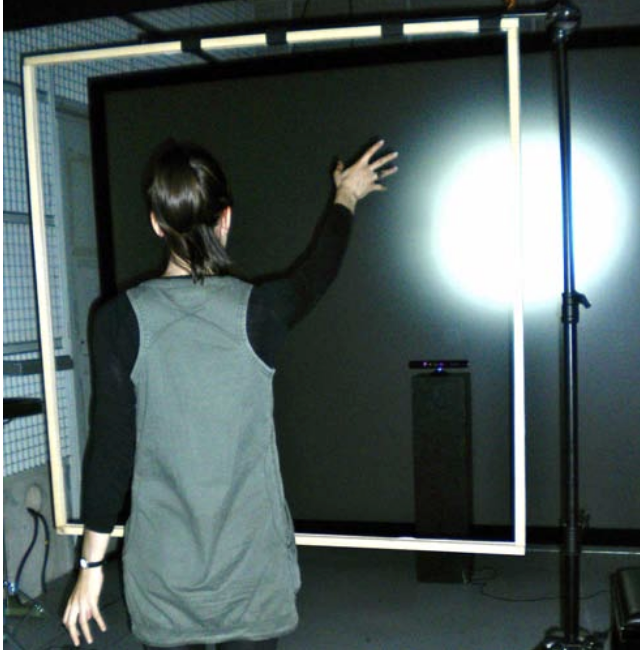
A Light Touch II is the second version of the large-scale installation A Light Touch. It is based on a similar apparatus but displays a massive number of light particles. In this installation, participants can interact with the particle system projected on a rear surface using their hand movement qualities. The particles are made of small lights that have a physical behavior that responds to the participant’s expressive hand movement qualities. The visuals are responsive and have self-agency, creating an environment that seems to be alive on it own way.
Marije Baalman

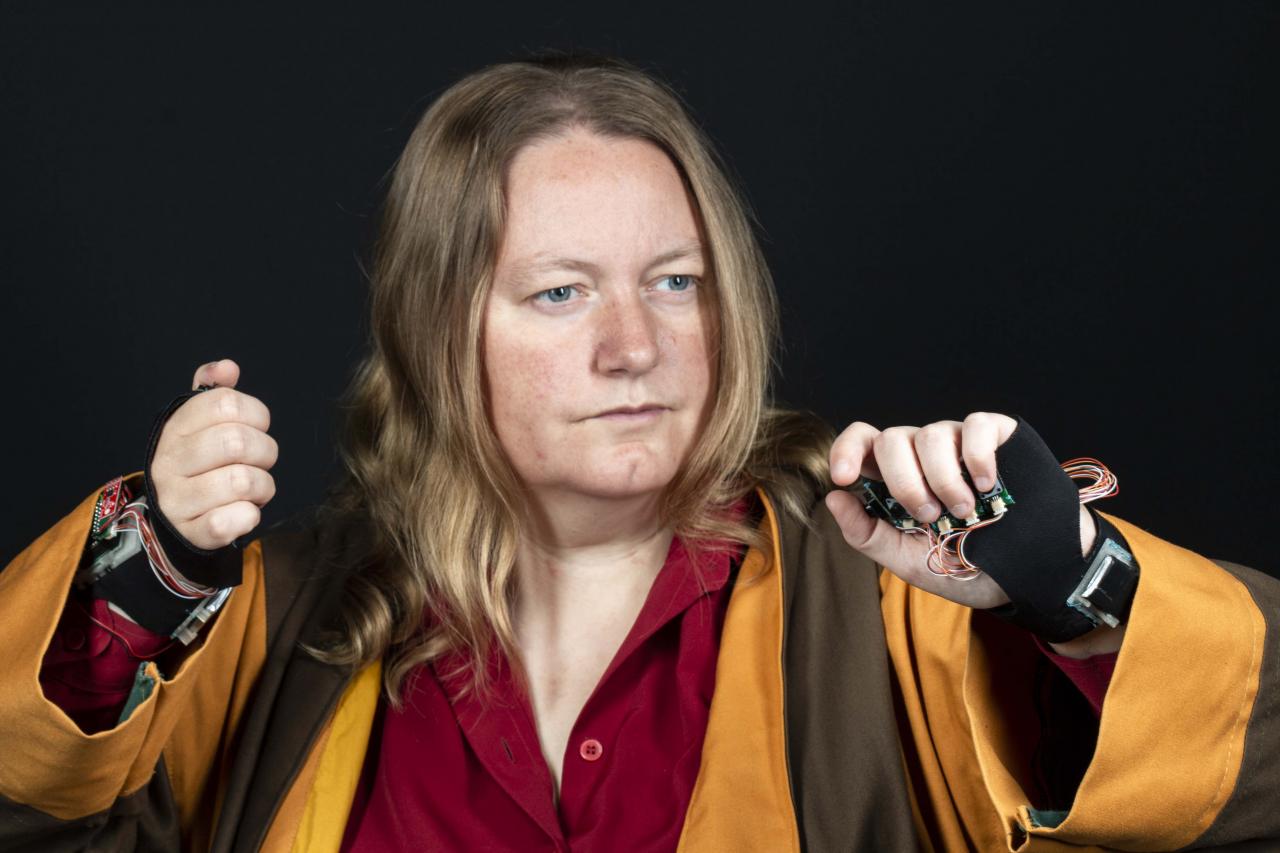
Marije Baalman is an artist and researcher/developer working in the field of interactive sound and light art, based in Amsterdam. She makes music and music-theatre performances, worked with dancers and has made several installations. Topics that she addresses with her work are the nature of interaction between and entanglement of humans and technology, the influence of algorithms on society and the human experience, and environmental change. In her artistic work she is interested in the realtime components of the work, composing processes, behaviours and interaction modalities. This means that the sonic or visual output depends on realtime interactions of the systems she builds with the performer, the audience, or the environment.

Body-Harp

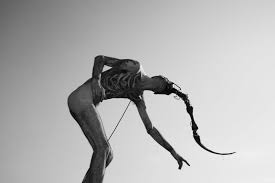
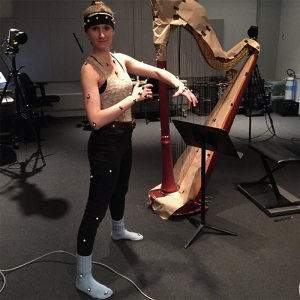
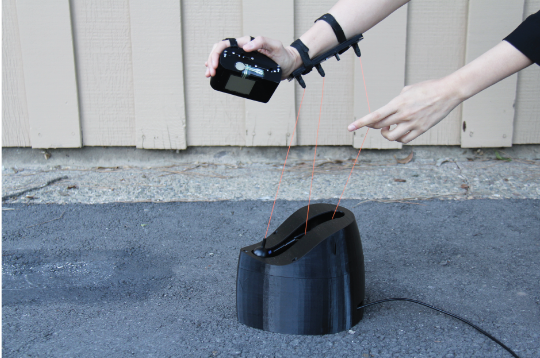
This study explores two similar yet distinctive instruments, Bodyharp and the Teinophon (see Figure 1), both designed to exceed the conventional boundaries of traditional string instruments through innovative interaction and mapping techniques.

CO-DA

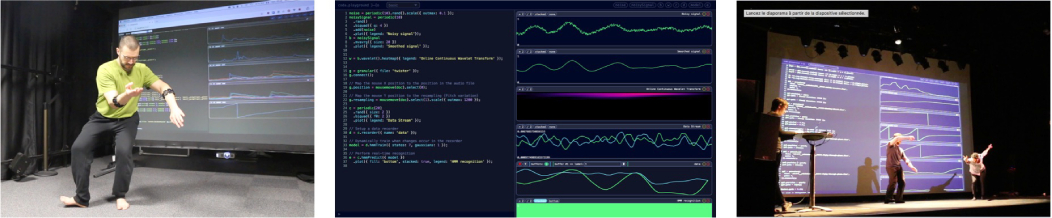
CO/DA: Live-Coding Movement-Sound Interactions for Dance Improvisation We developed a software library and a live coding environment called CO/DA, dedicated to live coding of the interactions between motion and sound.

Analivia Cordeiro

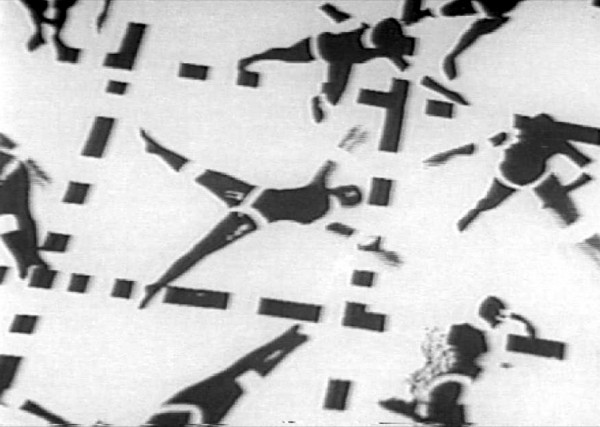
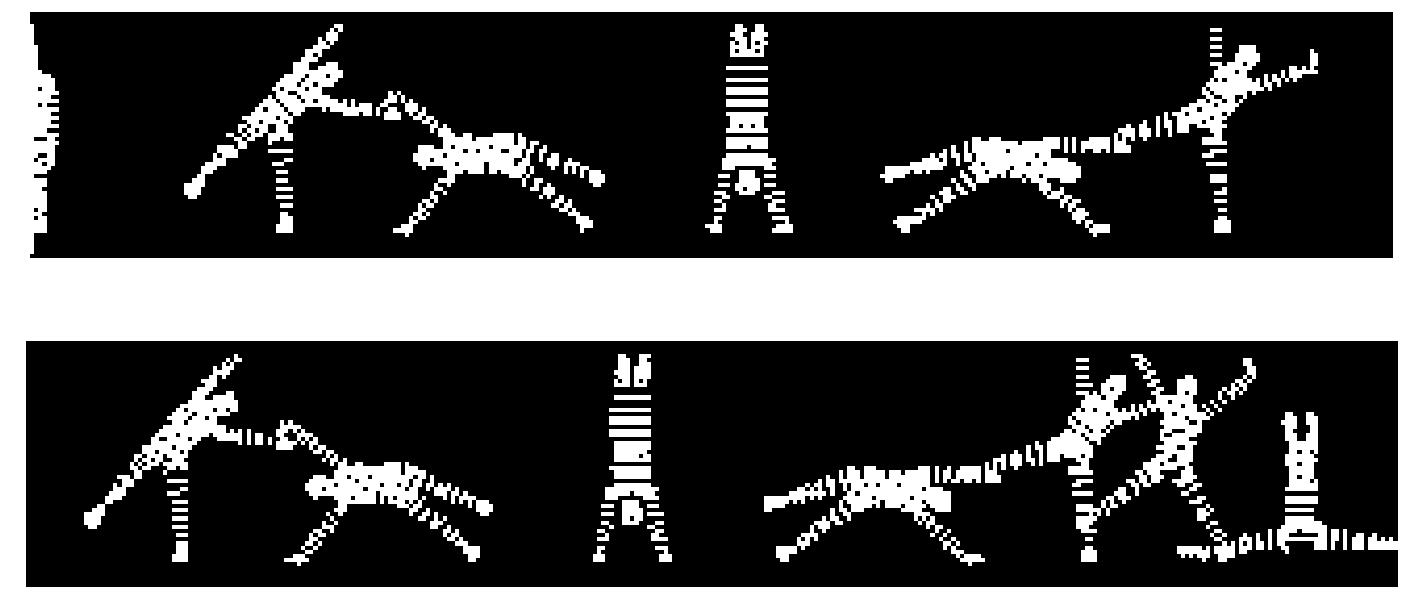
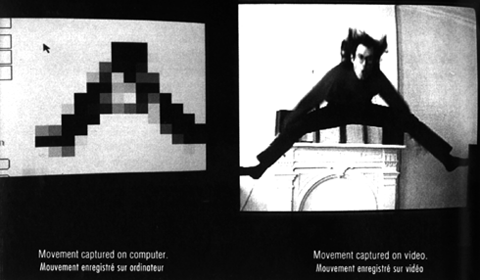
A pioneer of video and computer art, Analivia Cordeiro has been exploring the relationships between the body, movement, visual and audiovisual art, and media art since the early 1970s.

Marco Donnarumma

Marco Donnarumma is an artist working with the human body, sound, and technology. His practice, manifested in the form of performances, installations, and films, maps areas of contamination across art & technology, contemporary performance, and music.

Exhausted-Lab

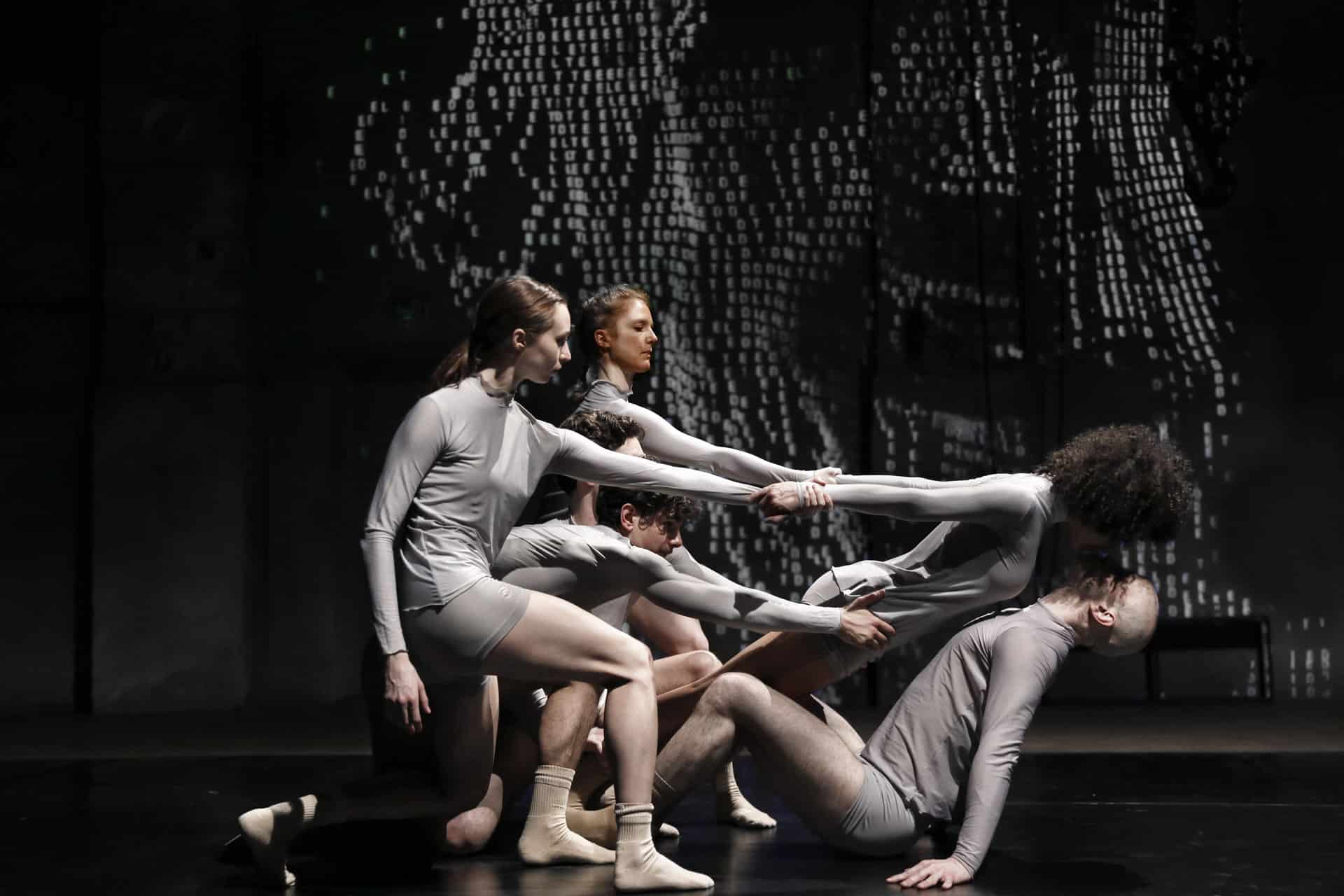
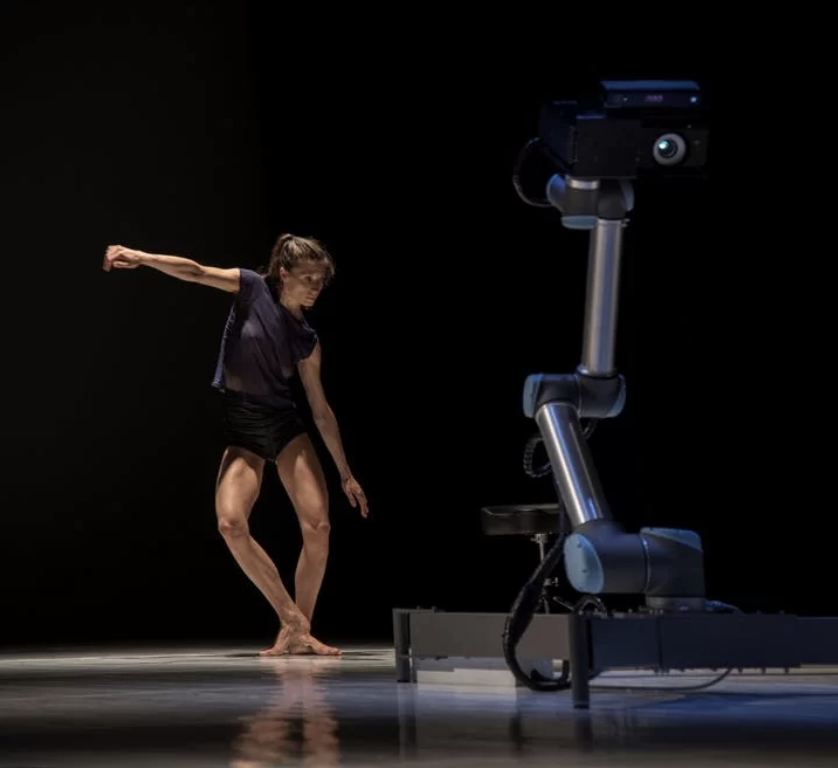
Nicolas Landrieux (Exhausted-Lab) is a creative director focused on creating full scale dance works at the intersection of music, scenography and interactive technology.

EyeWriter

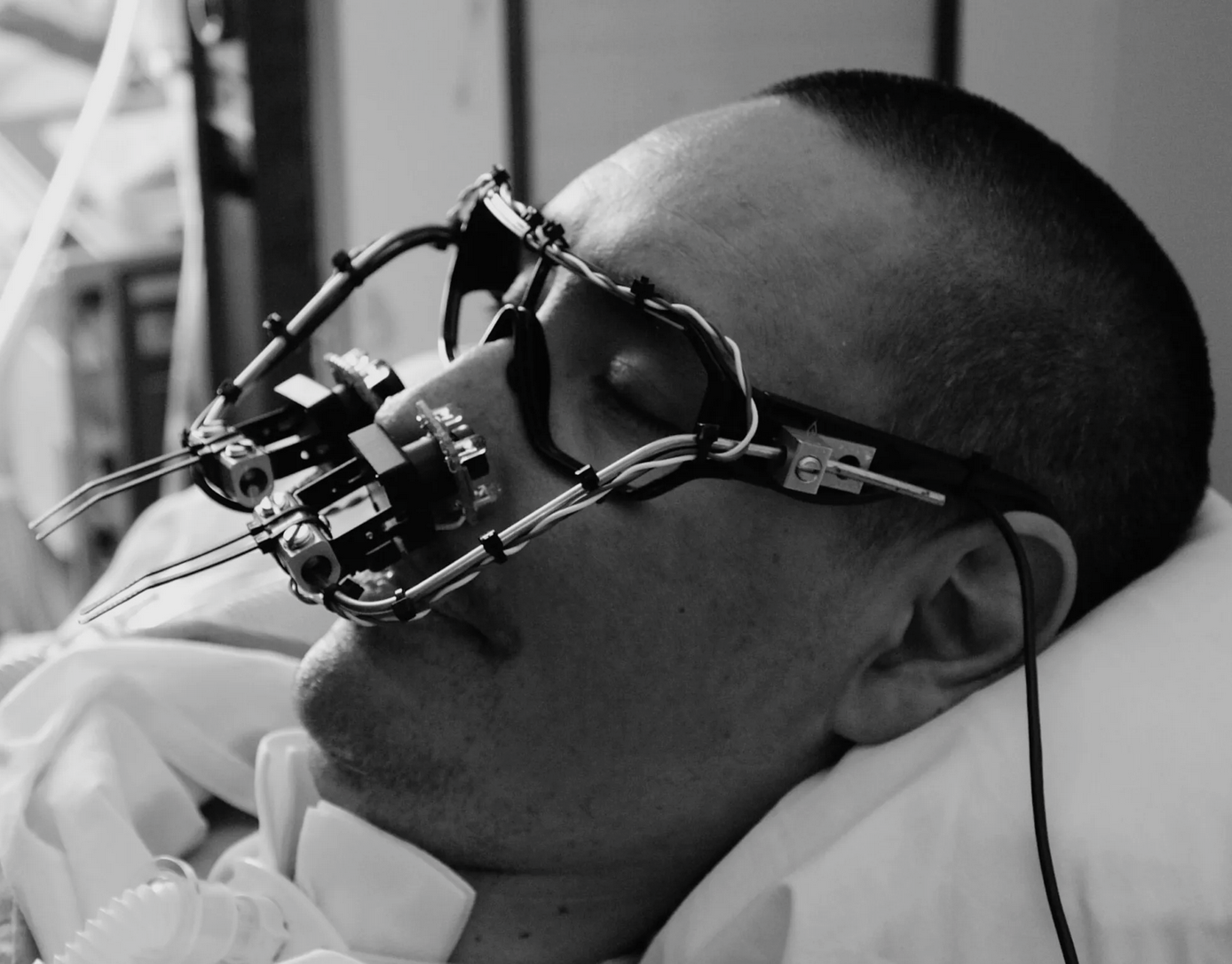
The EyeWriter demonstrates how media art opens up new creative avenues through collaboration and openness, revealing technological innovation as a collaborative, accessible process.

Ghostcatching

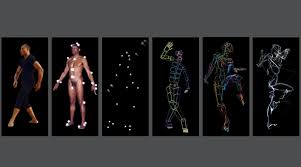
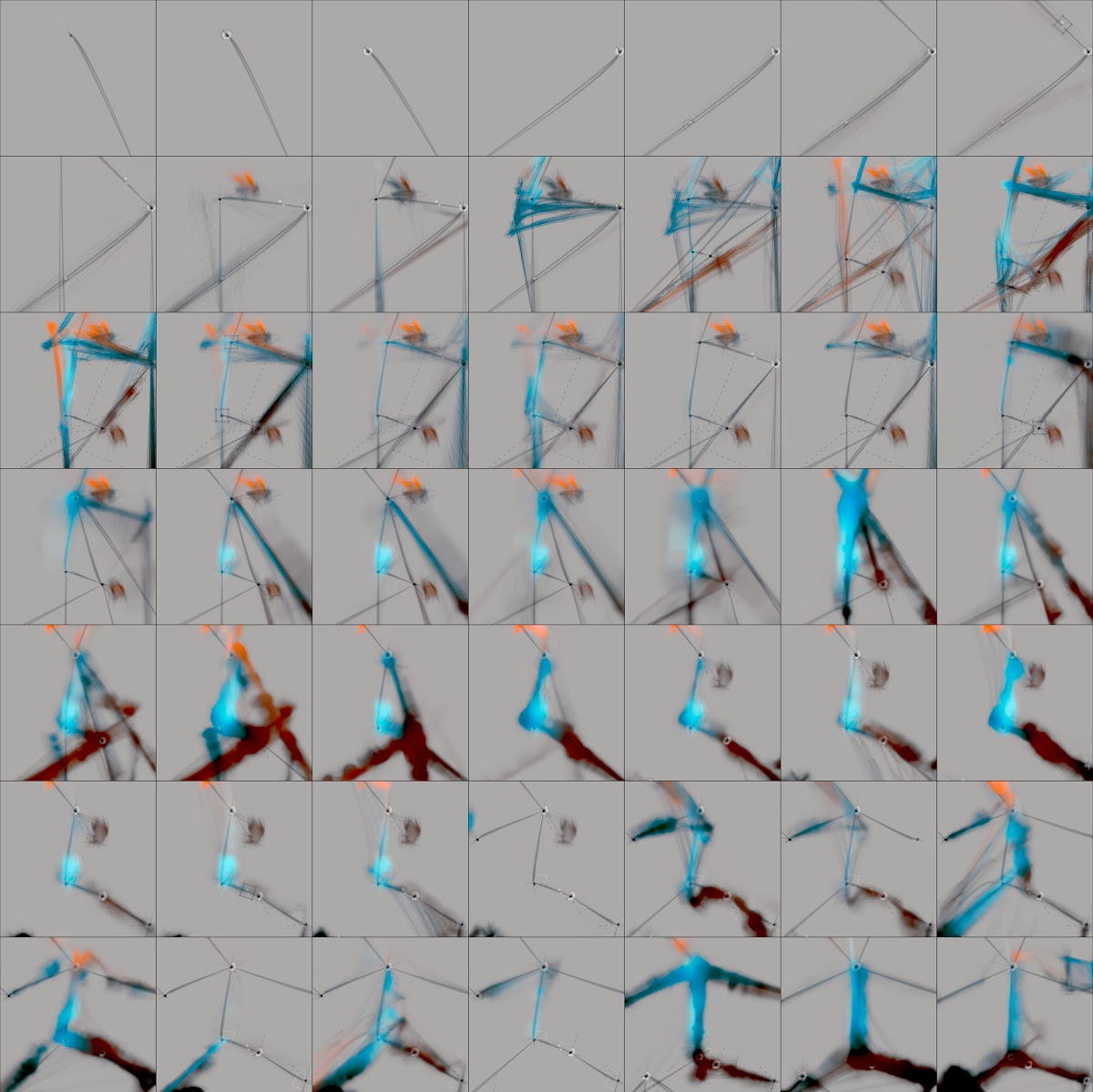
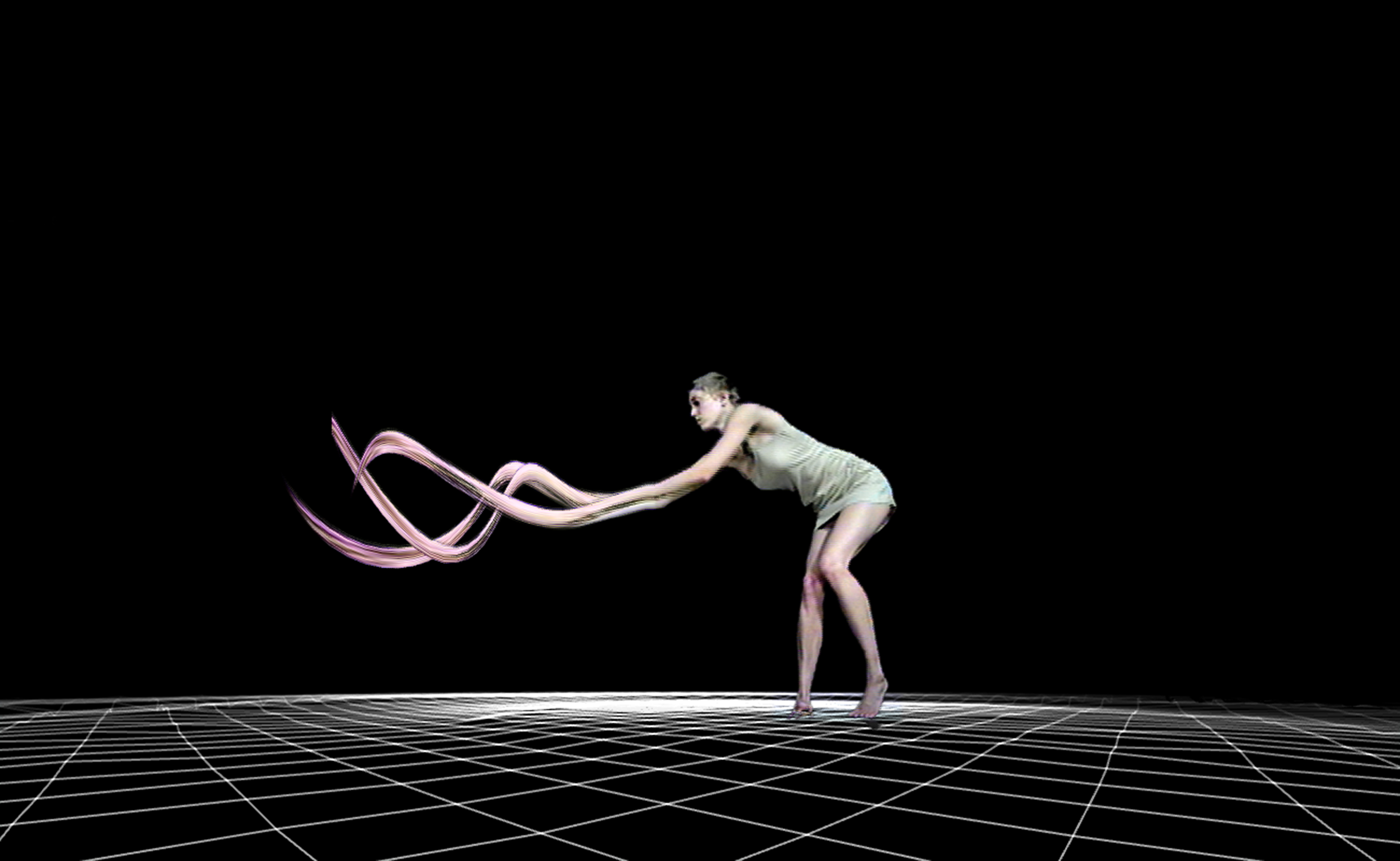
After Ghostcatching is built up from a larger sampling of the motions and vocalizations of Bill T. Jones captured for the earlier work. It explores the themes of disembodiment and identity with the new possibilities opened up by 3D projection and a custom 3D renderer created in the OpenEndedGroup’s Field software.

Imogen Heap

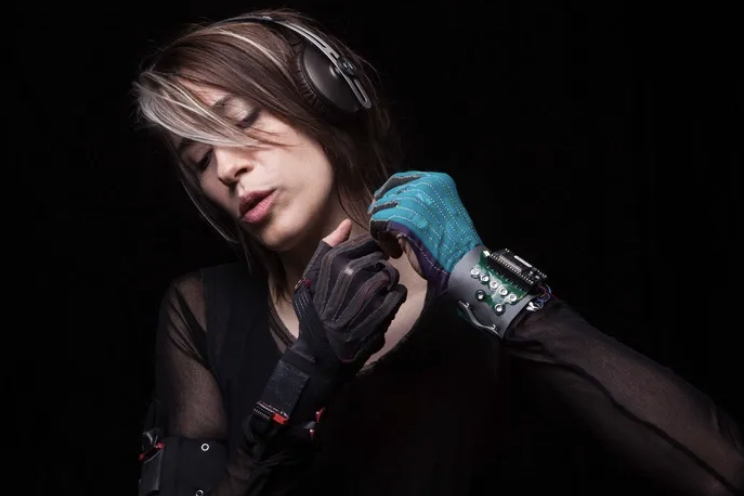
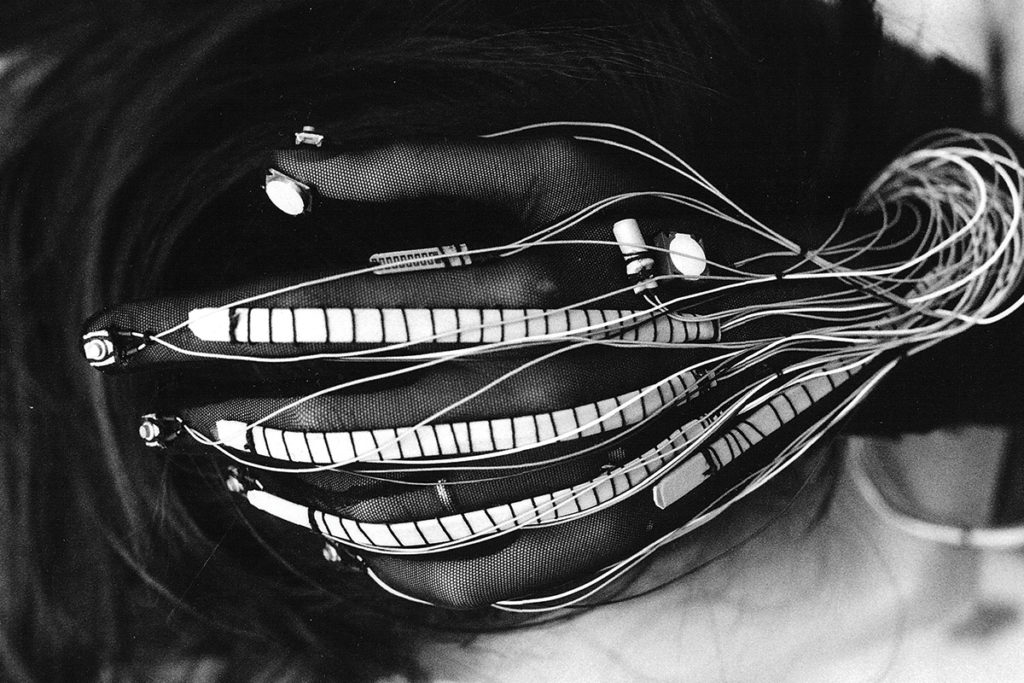
The concept for Mi.Mu Gloves was conceived in 2010 when Imogen Heap sought a way to break free from traditional instruments and use her body as an interface for controlling sound. Heap collaborated with engineers, developers, and designers to create the gloves, with the goal of enhancing live performances and making music production more intuitive.

hip-Draw

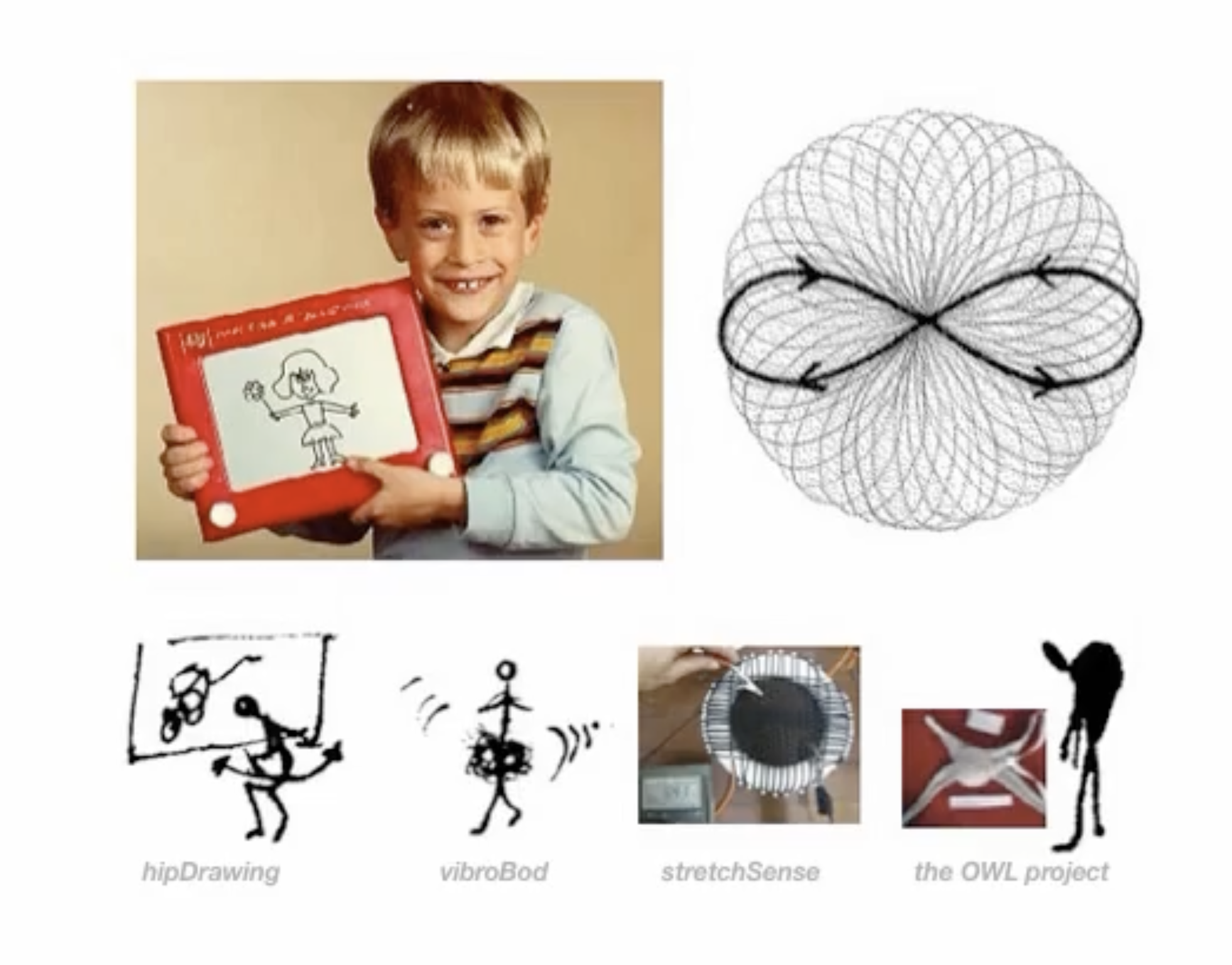
hipDraw is a wearable interface and projection wall that turns the wearer into a human hip-controlled Etch-A-Sketch.

IDMIL

The IDMIL conducts research in a variety of areas relating to musical interface design and evaluation, movement analysis, haptics and human-computer interaction. The Input Devices and Music Interaction Laboratory (IDMIL) was established in March 2005. The IDMIL is affiliated with the Music Technology Area of the Schulich School of Music at McGill University, Montreal, Quebec, Canada. The laboratory deals with projects related to the topic of human-computer interaction, the design of musical instruments and interfaces for musical expression, movement data collection and analysis, sensor development, and gestural control.

Choreographic Interface

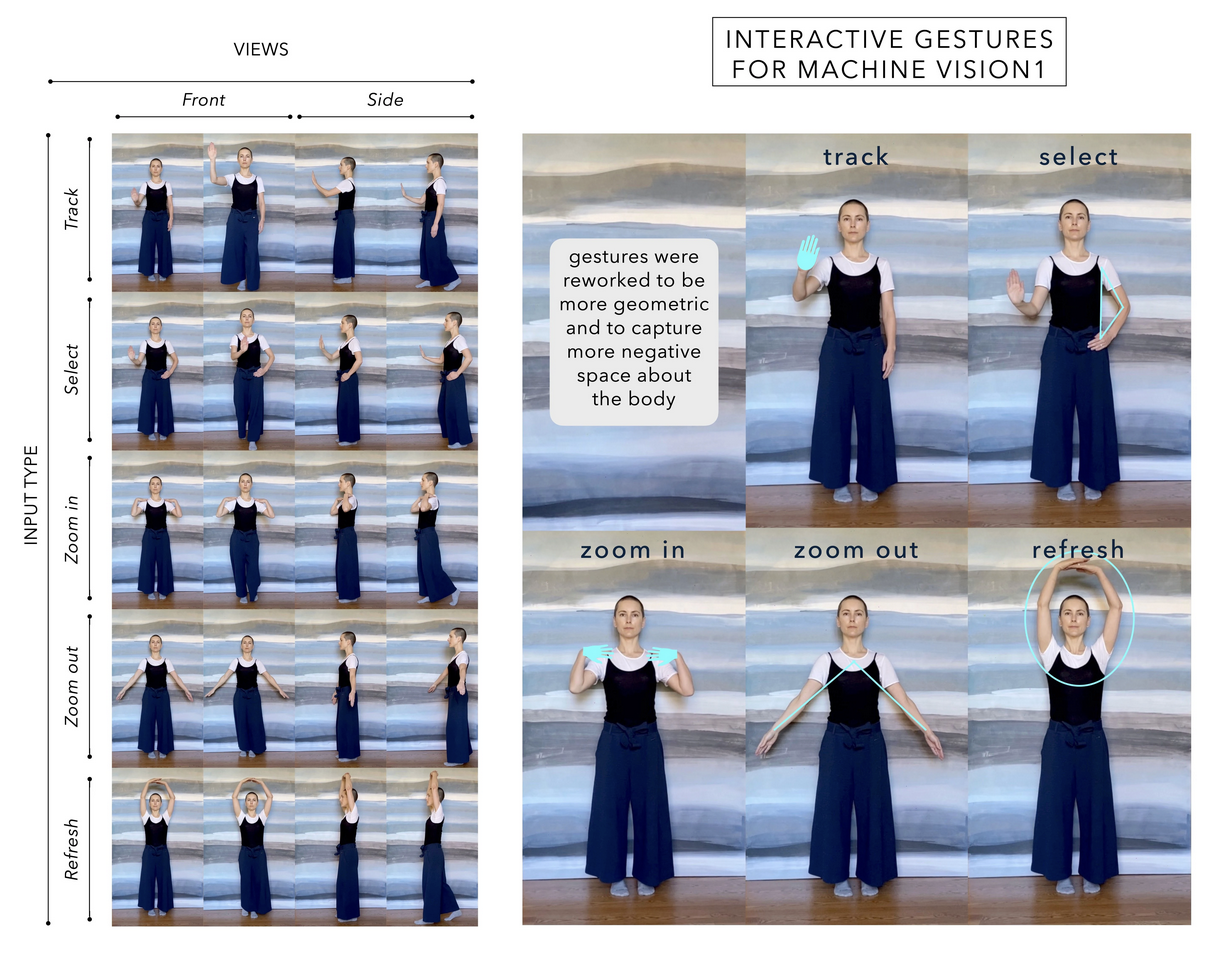
A touchless gestural system developed by metaLAB (at) Harvard, Berlin & Basel as part of the Curatorial A (i)gents exhibition (originally planned for 2020, realized in spring 2022 at Harvard Art Museums’ Lightbox Gallery). The project provides visitors with an embodied way to interact with digital artworks through full-torso choreography.

Myron W. Krueger

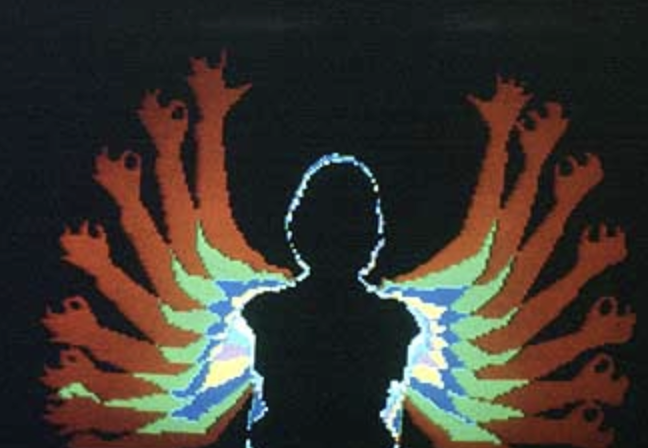
American computer artist Myron W. Krueger, who began developing interactive works early on, won the first Golden Nica in this new category with his work Videoplace, which deals with interactive works of various formats – from installations to net projects. The work Videoplace was not actually conceived as an interactive artwork; rather, the goal was to elevate interactivity itself to an artistic medium. To do this, the human interface had to be redefined: The system was to recognize the movements of the participants instead of processing commands from traditional input devices.

DOCKdigital LAB

Exploring the intersection of performance art, dance and embodied move with GameSystemDesign | XR | Sound | AI

Zachary Lieberman

Zachary Lieberman is an artist, researcher, and educator with a simple goal: he wants you surprised. In his work, he creates performances and installations.

Daito Manabe

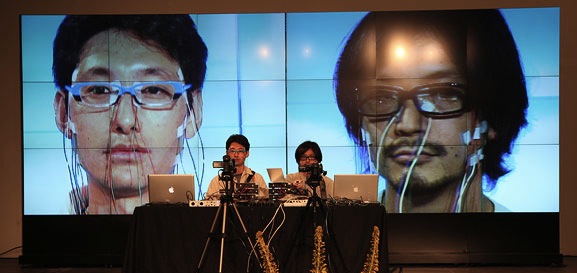
Daito Manabe is a Japanese artist, programmer, and composer. In 2006, he founded Rhizomatiks. Drawing on his background in mathematics and music, Manabe has pursued the fusion of technology, visual media, and physical expression.

Wayne McGregor

Regarding the body as a technologically literate entity and vital organic interface, Wayne McGregor has consistently and successfully experimented with how the physical, digital and virtual worlds may coalesce by harnessing computer graphics, thermal cameras, video projections, live broadband links, 3-D software, animation and gaming programmes, drones, algorithms and more – seeking to uncover how they in turn affect performing bodies and viewing audiences.

MODINA

The project Movement, Digital Intelligence and Interactive Audience (MODINA) aims to expand the creative possibilities for contemporary dance performances, and augment the experience for the audience, using digital technology – with an emphasis on exploring artificial intelligence (AI) and audience interaction, on-site and online. This aim has two interconnected approaches, targeting dance artists, media artists (creative technologists) and audiences.

Klaus Obermaier

Since more than three decades interdisciplinary artist, director and composer Klaus Obermaier creates innovative works with new media in performing arts, music and installations.

Synchronous Objects

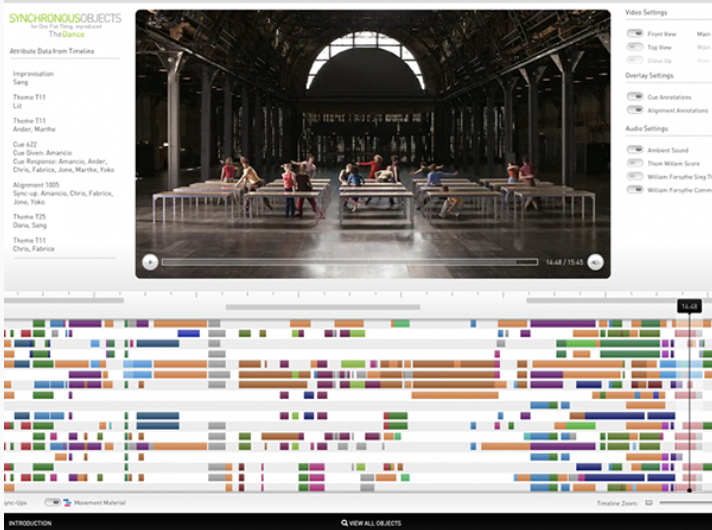
Published online in 2009, the interactive artwork-Synchronous Objects for One Flat Thing, reproduced—re-imagines the expressive possibilities of information in dance. Created by William Forsythe, Maria Palazzi, and Norah Zuniga Shaw with more than 30 contributing researchers at the Advanced Computing Center for the Arts and Design and The Forsythe Company, the project flows from dance, to data, to objects.

Luca Pagan

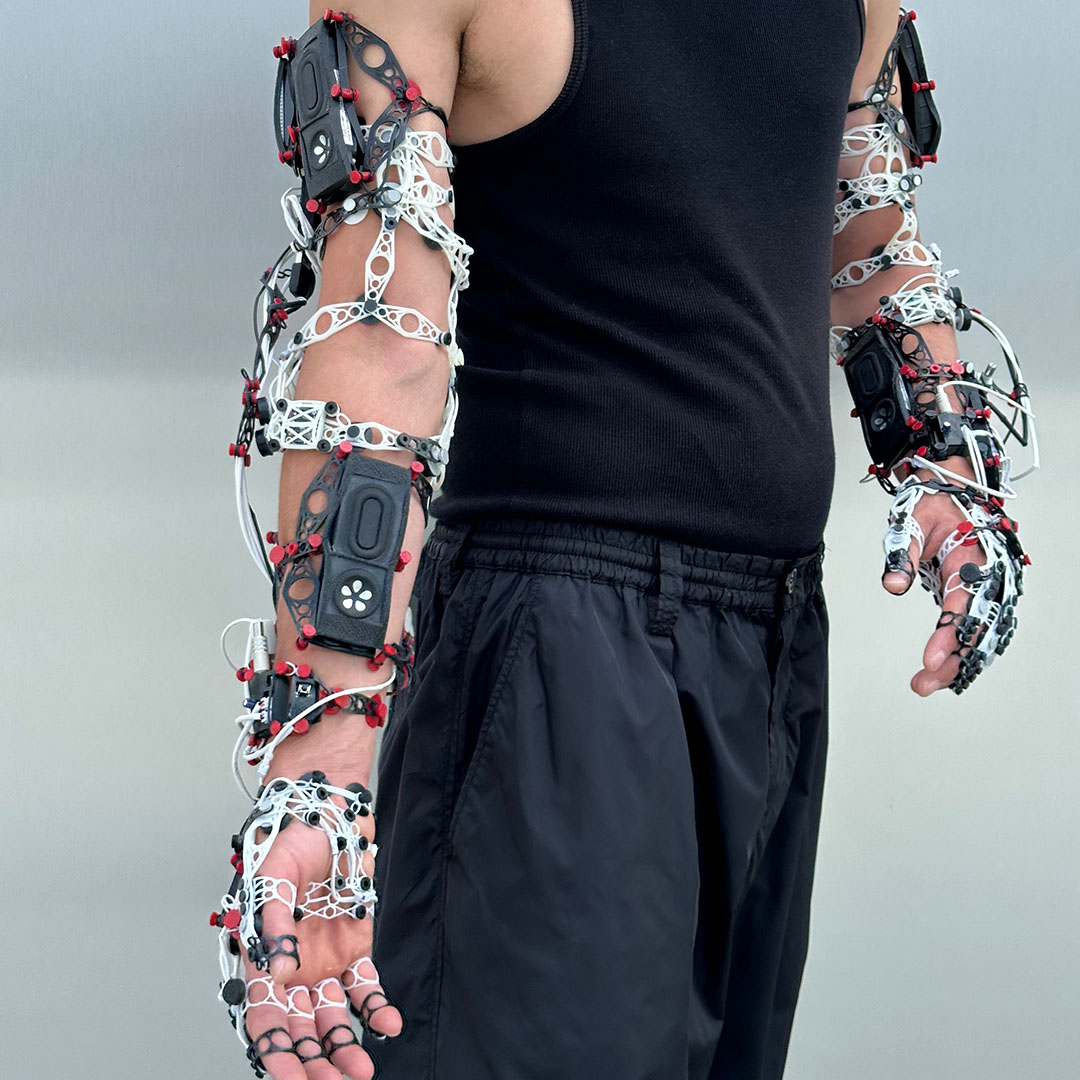
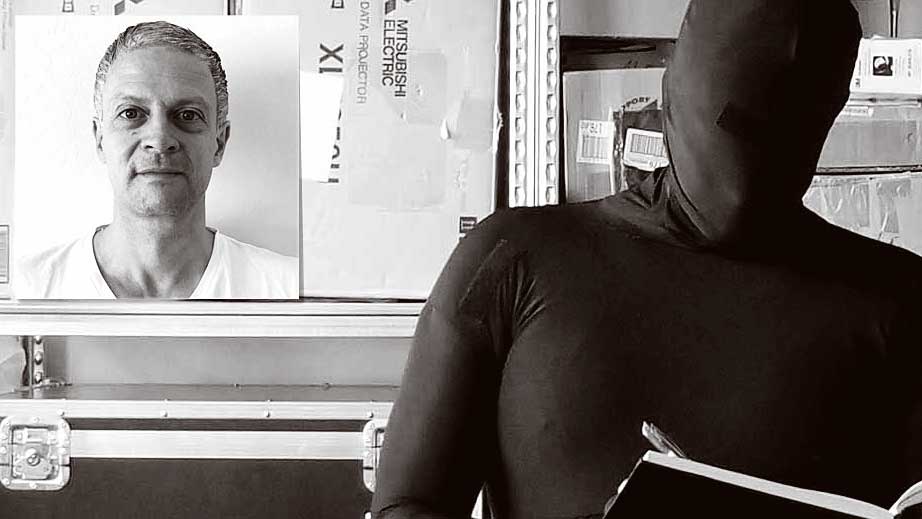
Luca Pagan (b.1993, Venice) is an artist, musician, inventor based in Milan. His work is based on redefining bodies and machines to explore the boundaries of (human) experience. His multidisciplinary approach combines sound art, robotics, and embodied cognitive science to make handcrafted body technologies, such as interactive sonic prosthesis and AI-music wearable instruments.

Afroditi Psarra

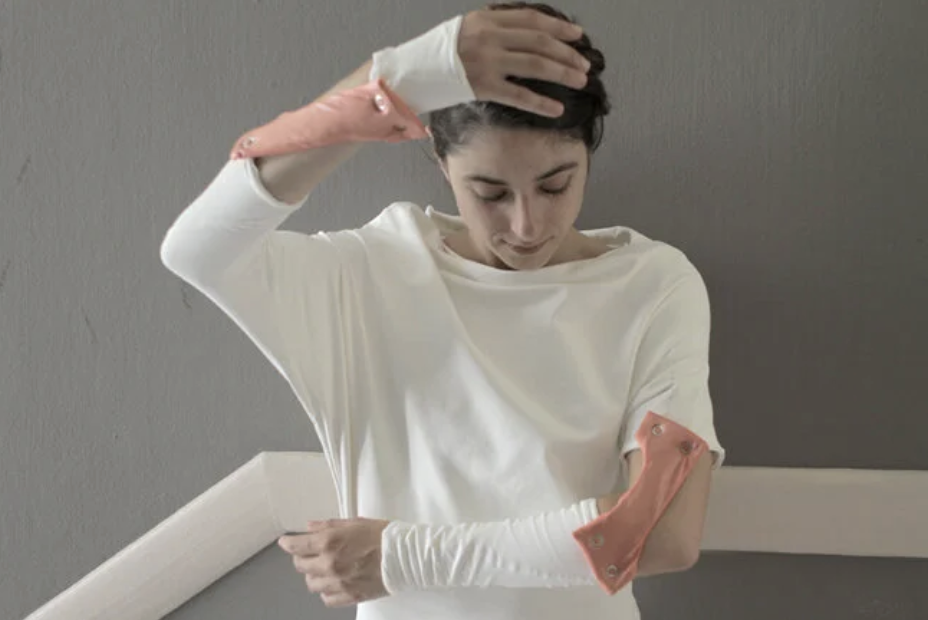
Soft Articulations is a project inspired by retrofuturism and the idea of creating a soft exoskeleton that translates muscle articulations into sound. The project proposes the creation of a wearable system that using handmade bend sensors on various muscle joints wishes to explore the dipole relation between the actions of relaxation and tension both physically and sonically.

Thecla Schiphorst

Thecla Schiphorst is a Media Artist/Designer and Faculty Member in the School of Interactive Arts and Technology at Simon Fraser University in Vancouver, Canada. Her background in dance performance and computing forms the basis for her research which focuses on embodied interaction, sense-making, and the aesthetics of interaction.

Sonami

Sonami’s signature instrument, the lady’s glove, is fitted with a vast array of sensors which track the slightest motion of her enigmatic dance: with it Sonami can create performances where her movements can shape the music and in some instances visual environments. The lady’s glove has become a fine instrument which challenges notions of technology and virtuosity

Mocap Streamer

The Goldsmiths Mocap Streamer research hub, led by Dr Dan Strutt with Senior Researcher Clemence Debaig, delivers meaningful practice-based and user-focused research in the area of digital and virtual dance. They collaborate with strong industry and academic partners to research.

Very Nervous System

Very Nervous System is an interactive sound installation created by Canadian artist David Rokeby and presented at ‘The Venice Biennale’ in 1986, it was subsequently shown in many galleries and several outdoor public venues. The piece was a continuation of Rokeby’s interests in language, sound and human interaction with computers. His goal was to create a space (an interface) where the human body could move while video cameras captured those movements and transformed the information into ‘real time’ sounds.

tanz:digital

tanz:digital is a central streaming and knowledge platform for the professional dance scene in Germany. Our aim is to give those interested access to current and historical dance productions, films, documentaries and background information.

Ariella Vidach

Born in Umag, Croatia, Vidach moved to New York in the 1980s. During this period, she was heavily influenced by postmodern dance icons such as Trisha Brown, Steve Paxton, and Dana Reitz. This time in New York laid the foundation for her career as a choreographer and her focus on experimental movement. Vidach is most recognized for co-founding AiEP (Avventure in Elicottero Prodotti) alongside video artist Claudio Prati.

Chris Ziegler

Chris Ziegler is a digital artist, director, and designer with a background in architecture and new media art. His work explores the intersection of performance, immersive technologies, and interactive design, with stage productions integrating robotics, AR/VR, and AI.